
Golden Retrievers are one of the easiest breeds to train, but not the easiest to live with during training. They learn commands fast because they love food, praise and people. What slows owners down is the mouthing, jumping, pulling and the long teenage phase between about 6 and 18 months. Training works best when it starts early, stays short and positive, and gives that retriever brain a real job.
This guide walks through how to train a Golden Retriever by age, the habits to build in the first month, the commands that matter most, and how to fix the problems Golden owners deal with most often. If you live around Elk Grove or Sacramento and want hands-on help, the last sections cover how Juan Portillo at JPK9 Academy works with Goldens.
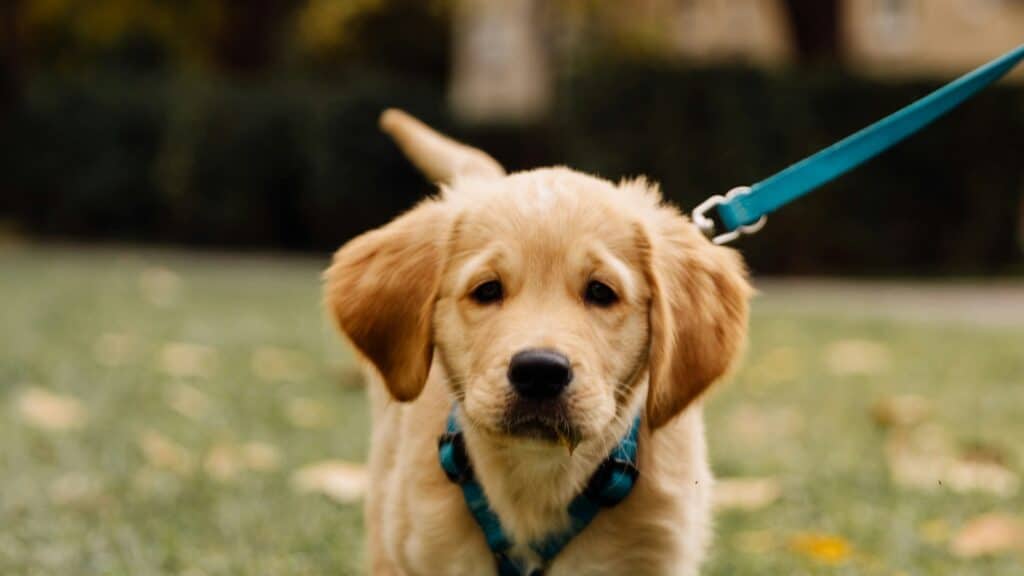
Why Golden Retrievers Learn Fast but Still Test You
Goldens were bred in Scotland to retrieve shot birds from water and brush and carry them back to the hunter without damage. That history explains almost everything you see at home: the soft but busy mouth, the love of carrying things, the stamina, and the strong pull toward people. Stanley Coren’s well-known ranking of working and obedience intelligence placed the Golden Retriever fourth of all breeds tested.
The traits that make them easy to teach are the same ones that cause trouble when nobody channels them:
- Eager to please. Goldens work hard for praise, which makes reward-based training very effective. It also means harsh corrections can shut a sensitive Golden down quickly.
- Food motivated. Great for teaching, risky for counters and trash cans.
- Built to carry. The urge to hold something in the mouth shows up as nipping hands, grabbing sleeves and stealing socks.
- Friendly with everyone. A Golden that wants to greet every person and dog it sees will pull, whine and sometimes bark on leash out of frustration.
- Slow to mature. Many Goldens keep a puppy mindset until two or even three years old, so patience pays off.
Golden Retriever Training Timeline by Age
Every dog develops at its own pace, but most Goldens move through the same stages. Use this as a rough guide for what to focus on and when. For the bigger picture on timing, see when to start training a puppy.
| Age | What is happening | Training focus |
|---|---|---|
| 8 to 16 weeks | Prime window for socialization; sharp puppy teeth; short attention span | Name, sit, hand targeting, crate and potty routine, calm handling, meeting new sights and sounds |
| 4 to 6 months | Teething peaks; confidence grows; more interest in the world than in you | Leave it, drop it, loose leash basics, short stays, recall games in safe areas |
| 6 to 18 months | The teenage phase; a second fear period is common; known cues seem to disappear | Consistency, impulse control, place, polite greetings, practicing around distractions |
| 18 to 24 months | Settling in; body nearly mature; focus improves | Longer duration stays, reliable recall, heel in busier places |
| 2 years and older | Most Goldens calm noticeably between 2 and 3 | Keep skills sharp, add new jobs, retrieve and scent games |
Most owners find the 6 to 18 month window the hardest. A dog that sat perfectly at 4 months suddenly ignores you at the park. That is normal adolescence, not a failed puppy class. Keep sessions short, raise your rate of reward again, and avoid letting the dog practice the habits you don’t want.
Your First 30 Days With a Golden Puppy
Golden Retriever puppy training starts with the routine your dog will expect for years. In the first month, four things matter more than any trick.
Potty and crate routine
Take the puppy out after sleeping, eating, playing and every couple of hours in between, and reward the moment they finish outside. A crate gives a young Golden a safe place to rest and helps with house training because most puppies avoid soiling where they sleep. The step-by-step guides on potty training a puppy and crate training a puppy cover schedules and common setbacks.
Teaching a soft mouth
Golden puppies are mouthy, and they need to learn how hard is too hard. When teeth land on skin, stop play for a few seconds, then redirect to a toy the puppy can carry. Keep a rope or soft toy in reach so you always have something better than your hand to offer. If biting is still intense after a few weeks, this guide on how to stop puppy biting lays out a fuller plan.
Handling and grooming
That thick double coat needs regular brushing, and ears and paws need checking. Touch ears, paws and mouth for a second or two, then give a treat. Short, pleasant sessions now make vet visits and grooming much easier later.
Socialization
Socialization is not about meeting every dog in the neighborhood. It is about calm, positive exposure to people, surfaces, sounds, car rides and places. A Golden that learns to watch the world without rushing at it is much easier to walk at 8 months. Here is a practical guide on how to socialize a dog.
Commands Every Golden Retriever Should Know
Goldens can learn dozens of cues, but these are the ones that make daily life easier and keep the dog safe:
- Sit as the default way to say please, before meals, doors and greetings.
- Down for settling in one spot, at home or at a café.
- Stay, starting with a few seconds and one step away, then slowly adding time, distance and distractions.
- Place to send the dog to a bed or mat and have them stay there while guests arrive or dinner is served. This one is gold for a Golden that greets too much.
- Come, built with high-value rewards and practiced long before you need it. The guide to recall training explains how to make it reliable.
- Leave it to ignore food, socks or anything on the ground.
- Drop it to release what is already in the mouth. Trade for a treat so giving things up feels like a good deal.
- Loose leash walking and, later, a formal heel. See how to teach a dog to heel for the step-by-step version.
Positive reinforcement works especially well with this breed. Use small, soft treats for new skills, a toy or a quick game of fetch as a bonus, and a marker word such as “yes” so the dog knows exactly which moment earned the reward. Train in sessions of five to ten minutes, a few times a day. Goldens learn quickly, and ending while they still want more keeps them keen for the next session.
Fixing the 6 Most Common Golden Retriever Problems
1. Mouthing and grabbing
The retrieve instinct needs an outlet, not punishment. Give the dog a legal item to carry when greeting people or getting excited. Many Goldens calm down noticeably once they are allowed to hold a toy.
2. Jumping on people
Jumping is a greeting that worked in the past. Stop rewarding it with attention, ask for a sit or send the dog to place before the door opens, and pay generously for four paws on the floor.
3. Pulling on the leash
Goldens pull because everything ahead is exciting. Stop when the leash goes tight, reward the dog for being next to you, and practice in boring places before busy ones. This guide to leash training covers real-world walks around Elk Grove and Sacramento.
4. Counter surfing and stealing
A food-driven dog with a long reach will check the counter. Keep counters clear while teaching leave it and place, and supervise the kitchen until the habit is gone.
5. Over-excitement and frustration on leash
A Golden that is not allowed to greet another dog may lunge, whine or bark. It is usually frustration, not aggression, but it can turn into a habit. Build distance and calm focus first. If the barking and lunging are getting worse, reactive dog training is the next step.
6. Trouble being left alone
Goldens bond tightly with their people, so some struggle when the house goes quiet. Practice short absences, keep departures low-key, and give a chew or food puzzle. For dogs that panic, howl or destroy things when alone, read about separation anxiety training.
How Long Does It Take to Train a Golden Retriever?
Most Goldens pick up basic cues like sit, down and come within a few weeks of daily practice. Making those cues reliable around other dogs, people and food takes much longer, usually through the whole teenage phase. A realistic way to think about it:
- House training: most puppies are mostly reliable by around 4 to 6 months with a steady schedule, though accidents can happen longer.
- Basic obedience at home: a few weeks to a couple of months.
- Good manners in public: often 12 to 24 months, because distractions and adolescence slow things down.
- Off-leash reliability: the last skill to build, and only in safe, legal areas.
Training never fully stops. A few minutes a day keeps a Golden sharp for life.
Exercise and Brain Work for a Busy Retriever
Most adult Goldens need at least an hour of activity a day, and the mental part matters as much as the physical part. A tired body with a bored brain still finds trouble. Good outlets include:
- Structured fetch with a sit and a drop before each throw, so play doubles as impulse control
- Sniff walks and scatter feeding, which tire a dog out more than people expect
- Swimming, which suits the breed and is easy on joints
- Food puzzles and short training games indoors
For growing puppies, short play sessions are better than long forced runs, and your vet can advise on when longer exercise is safe. During Sacramento summers, train and walk early in the morning or in the evening. Hot pavement and afternoon heat are hard on a dog with a heavy coat. If your dog never seems tired no matter what you do, these tips for training high-energy dogs can help.
Mistakes Golden Owners Make
- Assuming a friendly dog doesn’t need training. A 70-pound Golden that jumps on a toddler or drags you across a parking lot is still a problem, however sweet.
- Rewarding the chaos. Petting a dog that is jumping, or opening the door for a dog that is barking, teaches the dog that works.
- Using harsh corrections. Many Goldens are sensitive and shut down instead of learning.
- Stopping training at 6 months. The teenage phase is exactly when consistency matters most.
- Only training at home. A dog that listens in the living room still needs practice in parks, stores and busy streets.
- Ignoring barking habits. Demand barking and fence barking grow if they keep working. Here is help for excessive barking.
When to Get Help From a Trainer
Plenty of owners raise a well-behaved Golden on their own. It is worth bringing in a professional when the dog is getting bigger faster than the manners are improving, when the teenage phase has undone earlier progress, or when there is barking, lunging, guarding or anxiety you are not sure how to handle.
Juan Portillo runs JPK9 Academy in Elk Grove and works with families across the Sacramento area. Goldens fit into the same programs as other breeds, matched to age and goals:
| Program | Best for | Starting price |
|---|---|---|
| Puppy training | Goldens under about 6 months building potty, crate, biting and early obedience habits | From $1,300 |
| Private lessons | Owners who want to learn alongside the dog, at home or in real-world spots | From $1,300 |
| Board and train | Busy families who want the dog to train daily with Juan, with owner lessons before pickup | $3,200 to $4,200 for 3 to 5 weeks |
| Behavior modification | Leash reactivity, guarding, fear or anxiety | Starts with an evaluation from $175 |
For a full breakdown of what affects the price, read how much dog training costs, or how much puppy training costs if your Golden is still young.
One Golden owner described working with Juan this way in a Google review:
“Juan has helped me tremendously with my Golden Retriever from the time he was a small puppy to now at two years old. My dog is much calmer, more responsive, and so much better on a leash. He’s also helped tremendously with reactivity and managing his energy level in a positive way.”
Alexas W., Google review
Golden Retriever vs Labrador: Is Training Different?
Labs and Goldens are close cousins, and the training approach is very similar. Both are food motivated, social and bred to retrieve. In general, Labs tend to be a bit more boisterous and physical, while Goldens are often softer and more sensitive to tone and pressure. Goldens also carry a heavier coat, which makes heat management and grooming more of a factor. Either way, the same plan applies: reward what you want, manage what you don’t, and give the dog a job. If you are comparing very different breeds, the German Shepherd training guide shows how a working guardian breed needs a different approach.
Golden Retriever Training FAQ
Are Golden Retrievers easy to train?
Yes. Goldens are among the most trainable breeds because they are food motivated and eager to please. The hard parts are mouthing, jumping, pulling and the teenage phase, which take consistency rather than talent.
What is the best age to start training a Golden Retriever?
Start the day the puppy comes home, usually around 8 weeks. Early lessons are short and simple: name, sit, potty routine, crate time and gentle handling.
What is the hardest age with a Golden Retriever?
For most owners it is roughly 6 to 18 months. Adolescence brings more independence, a possible second fear period and cues that seem forgotten. Keep training through it rather than stopping.
How do I stop my Golden Retriever from mouthing?
Pause play when teeth touch skin, then redirect to a toy the dog can carry. Giving a Golden something to hold during greetings and excitement often reduces grabbing quickly.
When do Golden Retrievers calm down?
Many Goldens settle noticeably between 2 and 3 years old. Regular training, mental exercise and a predictable routine help them get there sooner.
How much exercise does a Golden Retriever need?
Most adult Goldens need at least an hour a day, mixing walks, play, sniffing and training. Puppies do better with several short sessions than one long run.
Can a Golden Retriever do board and train?
Yes. Board and train at JPK9 Academy runs 3 to 5 weeks, priced from $3,200 to $4,200, and includes owner lessons before the dog comes home plus a follow-up session after pickup.
How much does Golden Retriever training cost in Sacramento?
At JPK9 Academy, puppy training and private lessons start at $1,300, board and train runs $3,200 to $4,200, and behavior cases start with an evaluation from $175.
How long does it take to train a Golden Retriever?
Basic cues often take a few weeks of daily practice. Reliable behavior around distractions usually takes 12 to 24 months, since the teenage phase slows progress.
When do Golden Retriever puppies stop biting?
Mouthing usually eases once adult teeth are in, around 6 to 7 months, but Goldens may keep wanting something in their mouth for life. Teaching a soft mouth and giving a toy to carry helps.
Can a Golden Retriever be left alone?
Adult Goldens can usually handle a few hours alone once they are used to it. Puppies need potty breaks every few hours. Build alone time gradually and offer a chew or puzzle.
Do Golden Retrievers bark a lot?
Goldens are not usually heavy barkers, but boredom, frustration and demand barking can grow if barking gets them what they want. Exercise, training and ignoring demand barking help.
Talk to Juan About Your Golden
Whether you have a new 8-week-old puppy or a teenage Golden who forgot every cue, a short phone call is the easiest way to figure out the right next step. Call Juan at (916) 571-0157 or book a free phone call to talk through your dog’s age, habits and goals.