
German Shepherds are one of the easiest breeds to teach and one of the easiest to get wrong. They learn fast, they want a job, and they read their owner closely. The same traits that make them great working dogs also mean a bored or unguided German Shepherd will invent its own rules: mouthing, pulling, barking at strangers, guarding the front window.
This guide covers how to train a German Shepherd at each age, what to teach first, the problems owners run into most, and when it makes sense to bring in a trainer. It is written from the way JPK9 Academy in Elk Grove trains shepherds for Sacramento-area families.
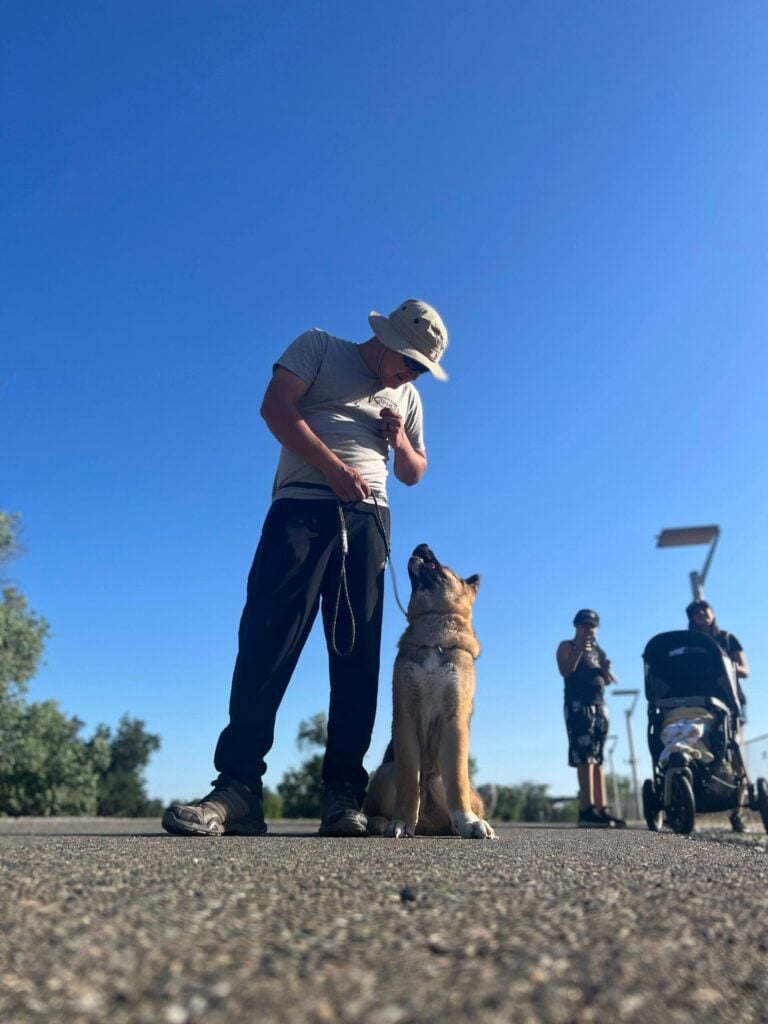
What Makes German Shepherds Different to Train
The German Shepherd was developed in Germany in the late 1800s as a herding dog, bred for working ability, intelligence and versatility, according to the American Kennel Club. Today the breed works in police, military, search and rescue and detection roles. That background shows up in everyday training.
| Trait | What owners usually see | What training needs to do |
|---|---|---|
| Herding instinct | Chasing, circling, nipping at heels, especially with kids and other pets | Give the drive an outlet and teach a solid “leave it” and place |
| Guardian nature | Barking at the door, watching the street, reserved or suspicious with strangers | Calm exposure to people and places, and clear rules about who handles visitors |
| Strong bond with one person | Listens well to one family member, ignores the rest | Everyone in the house uses the same cues and rules |
| High energy and intelligence | Restless at night, destructive when bored | Daily exercise plus short training sessions that work the brain |
| Mouthy as puppies | Hard puppy biting on hands, clothes and leashes | Redirect to toys, end play when teeth touch skin, keep sessions short |
None of this makes a German Shepherd a hard dog. It makes it a dog that does best with structure from day one.
German Shepherd Training by Age
A German Shepherd can start learning the day it comes home. What changes with age is the focus.
| Age | Training focus | Watch out for |
|---|---|---|
| 8 to 16 weeks | Name, crate and potty routine, handling, gentle socialization, sit and down | Too much too fast; keep sessions to a few minutes |
| 4 to 6 months | Loose-leash walking, recall in the house and yard, place, impulse control at doors and food | Puppy biting peaks; teething makes it worse |
| 6 to 18 months | Practicing cues around distractions, calm greetings, building recall outside | Adolescence: testing limits, forgetting cues, first signs of reactivity |
| 18 months to 3 years | Reliability in busy places, longer stays, off-leash work in safe areas when ready | Guarding and stranger suspicion can become more noticeable as the dog matures |
| Adult or rescue | Same foundation, more repetition to replace old habits | Unknown history; get an honest evaluation if there is any biting or lunging |
For the earliest weeks, JPK9’s guide on when to start training a puppy goes into more detail.
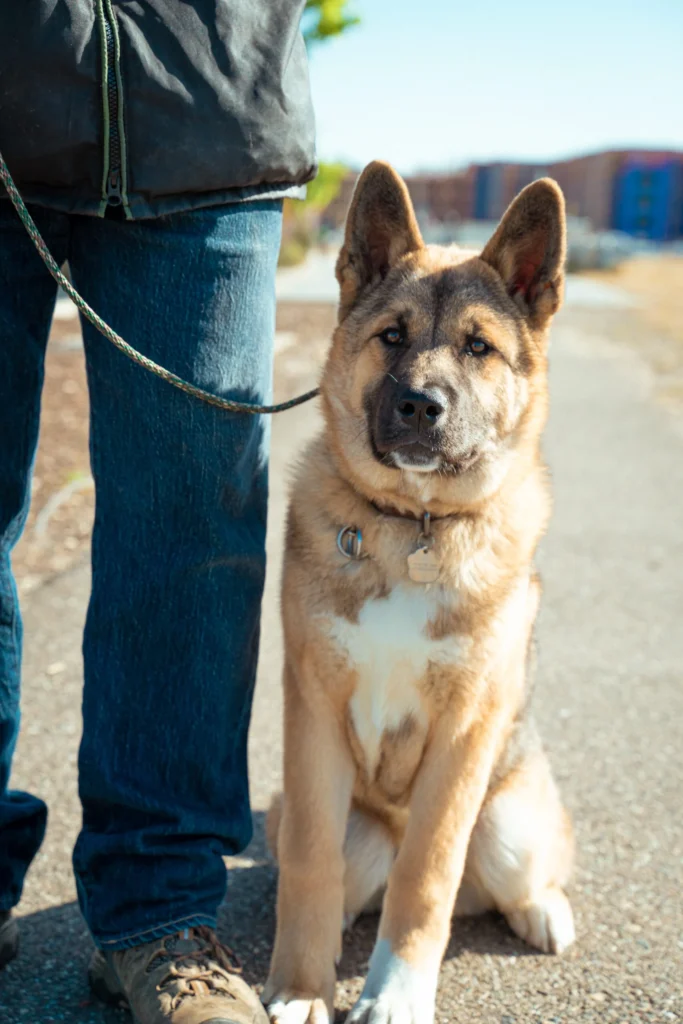
What to Teach a German Shepherd First
- Name and focus: the dog looks at you when it hears its name.
- Crate and potty routine from the first day. See how to crate train a puppy.
- Handling: touching paws, ears and mouth, and brushing, so vet visits and grooming stay easy.
- Sit, down and place, with short holds that slowly get longer.
- Recall inside the house first, then the yard, then quiet outdoor spots.
- Loose-leash walking, and later heel for busy places. See how to teach a dog to heel.
- Calm greetings: four paws on the floor before anyone says hello.
Socialization runs through all of it. A German Shepherd that meets many calm people, sounds and places while young is far less likely to become suspicious of everything new. JPK9’s guide on how to socialize a dog explains how to do it without overwhelming the dog.
The Most Common German Shepherd Training Problems
Puppy biting and mouthing
German Shepherd puppies are known for hard, persistent mouthing. It usually eases as adult teeth come in and the puppy matures, but only if biting never pays off. Offer a toy, stop play when teeth touch skin, and make sure an overtired puppy gets real sleep. JPK9’s guide on how to train a dog not to bite covers this step by step.
Leash reactivity and barking at other dogs
Many German Shepherds start barking or lunging at other dogs during adolescence. It often comes from frustration, fear or over-arousal rather than true aggression. The fix is distance, calm repetition and clear handling, not more exposure at close range. Read more on reactive dog training in Sacramento.
Over-protectiveness with strangers
A German Shepherd that barks at the door is doing what the breed was bred for. It becomes a problem when the dog decides who is allowed in, blocks guests or will not settle. Teaching place at the door, rewarding calm and letting the owner handle visitors helps the dog relax. If there is growling, snapping or a bite history, start with an evaluation through aggression training rather than trying to fix it alone.
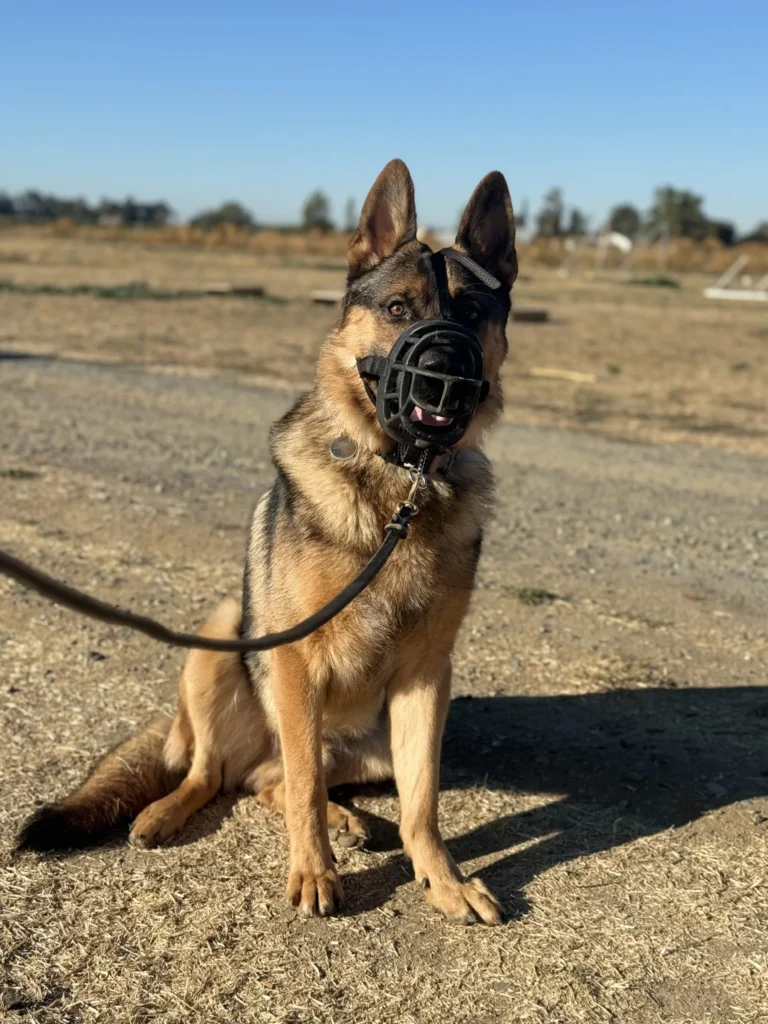
Chasing, herding and nipping
Herding drive can show up as chasing kids, cats or cars and nipping at heels. A strong leave it, a reliable down at a distance and daily outlets for that drive, like fetch with rules or tug with an out, give it somewhere safe to go. JPK9’s guide on prey drive in dogs explains the difference between chase drive and aggression.
Restlessness and destruction
A German Shepherd that chews furniture or paces at night usually needs more structured activity, not just more freedom in the yard. Short training sessions, food puzzles and calm crate time often help more than another long run.
Shedding and Grooming: Teach Handling Early
German Shepherds have a double coat and shed all year, with heavier seasonal sheds. Regular brushing keeps the hair under control, but only if the dog accepts it. Training makes grooming easy:
- Start with a few strokes of the brush, then reward and stop.
- Add touching paws, ears and the tail a little at a time.
- Use a mat or place cue so the dog knows where grooming happens.
- Keep sessions short and end before the dog starts wiggling away.
A German Shepherd that is calm on the grooming mat at six months is much easier to manage when it weighs 70 pounds.
How Much Exercise a German Shepherd Needs
Most healthy adult German Shepherds do best with well over an hour of activity a day, split between walks, play and training. Mental work matters as much as running. Ten minutes of focused training can tire a shepherd more than a long walk where it just pulls. Puppies need much less structured exercise; short play, naps and lots of new experiences are enough.
How JPK9 Academy Trains German Shepherds
Every German Shepherd is different, so JPK9 starts by talking with the owner before recommending a program.
- Free phone consultation with Juan Portillo to talk through the dog, the household and the goals.
- In-person evaluation, starting at $100, or $175 for behavior modification and aggression cases.
- A training program that fits the dog: private lessons at home or a local park, or board and train in Elk Grove.
- Sunday group classes so the dog practices around other dogs and people.
- Owner coaching, so the results last at home.
| Program | Starting price | Best for |
|---|---|---|
| Private Training Starter | $1,300 (4 private lessons plus 5 group lessons) | Puppies and young shepherds that need a solid foundation |
| Private Training Pro | $3,000 (8 private lessons) | Owners who want advanced obedience and impulse control |
| Board and Train, 3 to 4 weeks | $3,200 | Foundation obedience and puppies, for busy owners |
| Board and Train, 4 to 5 weeks | $4,200 | Reactivity and advanced goals |
During board and train, Juan picks the dog up and brings it home at the end. More details are on the board and train page and the Sacramento obedience training page.
“We sent our German Shepherd mix Nina to a 21 day board and train to correct jumping, digging, and reactiveness, plus a recall issue that was a real safety concern. The transformation was night and day. She’s now calm, obedient, and well mannered.”
Katie Young, Google review
German Shepherd vs Belgian Malinois
Owners often compare the two. Both are working shepherds that need structure, but the Malinois usually runs hotter and needs even more daily work, while many German Shepherds settle into family life more easily once the foundation is in place. JPK9’s guide on Belgian Malinois training covers that breed in detail.
German Shepherd Training: Frequently Asked Questions
Are German Shepherds easy to train?
Yes, for most owners who stay consistent. German Shepherds learn quickly and like having a job. The hard part is not teaching cues but keeping rules the same every day, because a smart dog notices every exception.
What age should you start training a German Shepherd puppy?
The day the puppy comes home, usually around 8 weeks. Name, crate, potty routine, handling and simple sits and downs can all start right away in short sessions.
At what age do German Shepherds calm down?
Many settle noticeably between 2 and 3 years old, though it varies by dog and by how much exercise and training they get. Structure through adolescence helps a shepherd calm down sooner.
What is the hardest age for a German Shepherd?
For many owners it is adolescence, roughly 6 to 18 months. Shepherds test limits, seem to forget cues they knew and may start reacting to dogs or strangers. Consistency matters most in this stage.
How do I stop my German Shepherd puppy from biting?
Redirect to a toy, end play when teeth touch skin and make sure the puppy gets enough sleep, since overtired puppies bite more. Never play rough with hands. Mouthing usually eases as the puppy matures if biting never pays off.
Why is my German Shepherd reactive to other dogs?
Common causes are frustration on leash, fear, limited socialization or over-arousal, and it often appears in adolescence. Working at a distance where the dog can stay calm, then slowly closing the gap, works better than forcing close meetings.
Are German Shepherds good with kids?
Many are excellent family dogs when raised with clear rules. Herding instinct can lead to chasing or nipping at running kids, so supervision and teaching both the dog and the children how to behave is important.
Is a German Shepherd a good first dog?
It can be, if the owner has time for daily exercise and training and gets help early. First-time owners who wait until problems appear usually find the breed harder than expected.
How long does it take to train a German Shepherd?
Basic cues can improve within a few weeks. Reliable obedience around distractions usually takes months of practice. At JPK9, programs run from 4 private lessons up to a 5-week board and train, plus group classes.
How much does German Shepherd training cost in Sacramento?
At JPK9 Academy, private training starts at $1,300 and board and train starts at $3,200 for 3 to 4 weeks. The phone consultation is free, and the in-person evaluation starts at $100.
Do German Shepherds shed a lot?
Yes. They have a double coat, shed year-round and shed more heavily a couple of times a year. Regular brushing helps, and teaching the dog to accept handling early makes grooming much easier.
Is board and train good for a German Shepherd?
It works well for busy owners, adolescent shepherds and dogs with problems like jumping, pulling or reactivity, because the dog trains every day. It works best when the owner keeps practicing at home afterward.
Does my German Shepherd need protection training?
Most family German Shepherds do not. A shepherd with solid obedience, good socialization and a calm response to strangers is already a natural deterrent. Talk with a trainer about your goals before starting any protection work.
Talk to Juan About Your German Shepherd
If your German Shepherd is pulling, mouthing, barking at strangers or reacting to other dogs, a short call can tell you which program fits. Call JPK9 Academy at (916) 571-0157 or book a free phone consultation.