
Start training a puppy the day it comes home, which for most puppies is around 8 weeks old. Puppies that young can already learn their name, sit, a crate routine and gentle handling, and the first few months are when they are most open to new people, places and sounds. Waiting until 6 months, which was common advice years ago, mostly gives bad habits time to set in.
This guide breaks down what to teach at each age, how vaccines affect classes, and when to bring in a trainer. It comes from JPK9 Academy in Elk Grove, CA, where Juan Portillo has trained dogs for 15+ years and starts puppies as young as 8 weeks.
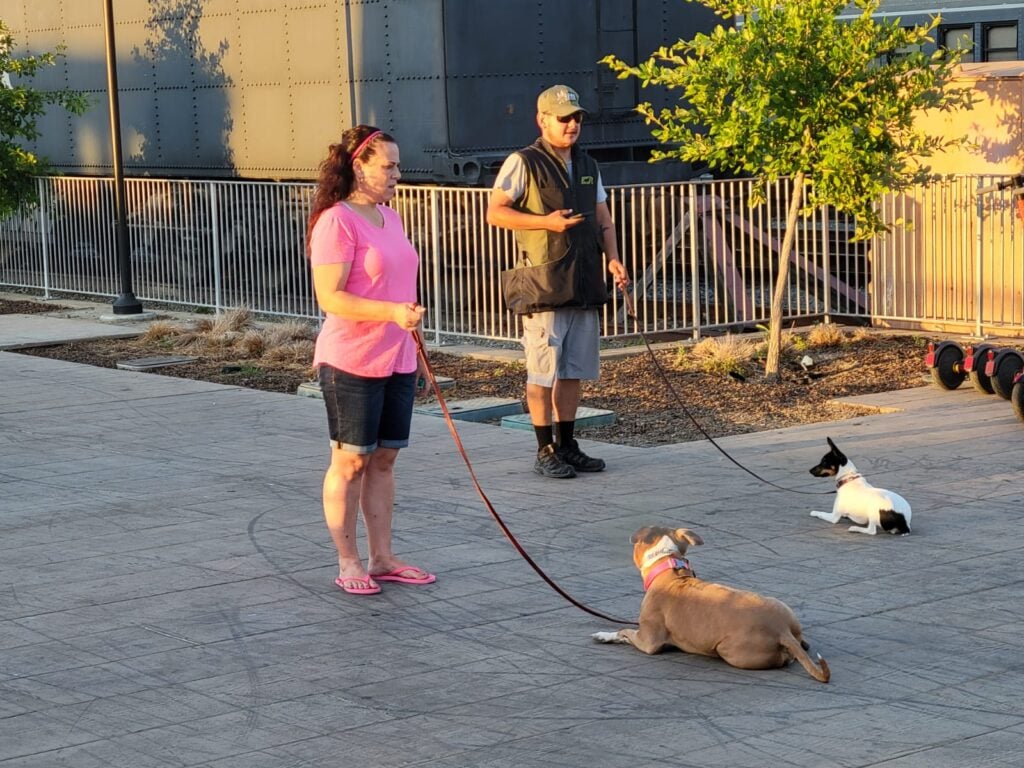
What Age Should You Start Training a Puppy?
Training can start as early as 8 weeks. At that age the sessions are short and simple, a few minutes at a time, built around food, play and routine. The goal is not a perfect sit. It is teaching the puppy that listening to you pays off, and building good habits before bad ones form.
The first 16 weeks shape a lot of the adult dog your puppy becomes. The American Veterinary Society of Animal Behavior describes the period from adoption until about 3 to 4 months as a sensitive window for socialization, and supports starting puppy classes at 7 to 8 weeks once the first vaccines are given, as reported by the AVMA.

Puppy Training by Age: What to Teach and When
| Age | Focus | What to work on |
|---|---|---|
| 8 to 10 weeks | Settling in and routine | Name recognition, crate time, potty schedule, gentle handling of paws, ears and mouth |
| 10 to 12 weeks | First cues | Sit, down, coming when called inside the house, short leash practice indoors |
| 12 to 16 weeks | Socialization | New people, surfaces, sounds and calm dogs, always at a pace the puppy is comfortable with; bite control |
| 4 to 6 months | Real-world practice | Loose-leash walking, stay, place, coming when called outside, manners around guests |
| 6 months and up | Consistency through adolescence | Keeping skills reliable as the puppy tests limits, more distractions, longer stays |
Every puppy moves at its own pace. Treat the ages as a guide, not a deadline.
What to Teach a Puppy First
- Its name. Say it once, reward when the puppy looks at you. This is the base for everything else.
- A potty routine. Take the puppy out after sleeping, eating and playing. JPK9’s guide on how to potty train a puppy walks through the full routine.
- Crate comfort. A crate the puppy likes makes potty training, travel and vet visits easier. See how to crate train a puppy.
- Sit. The easiest first cue, and a polite way to ask for attention instead of jumping.
- Gentle mouths. Puppies bite while they explore. Redirect to toys and end play when teeth hit skin. JPK9’s guide on how to stop puppy biting has more detail.
- Handling. Touch paws, ears and mouth briefly and reward, so grooming and vet exams stay easy.
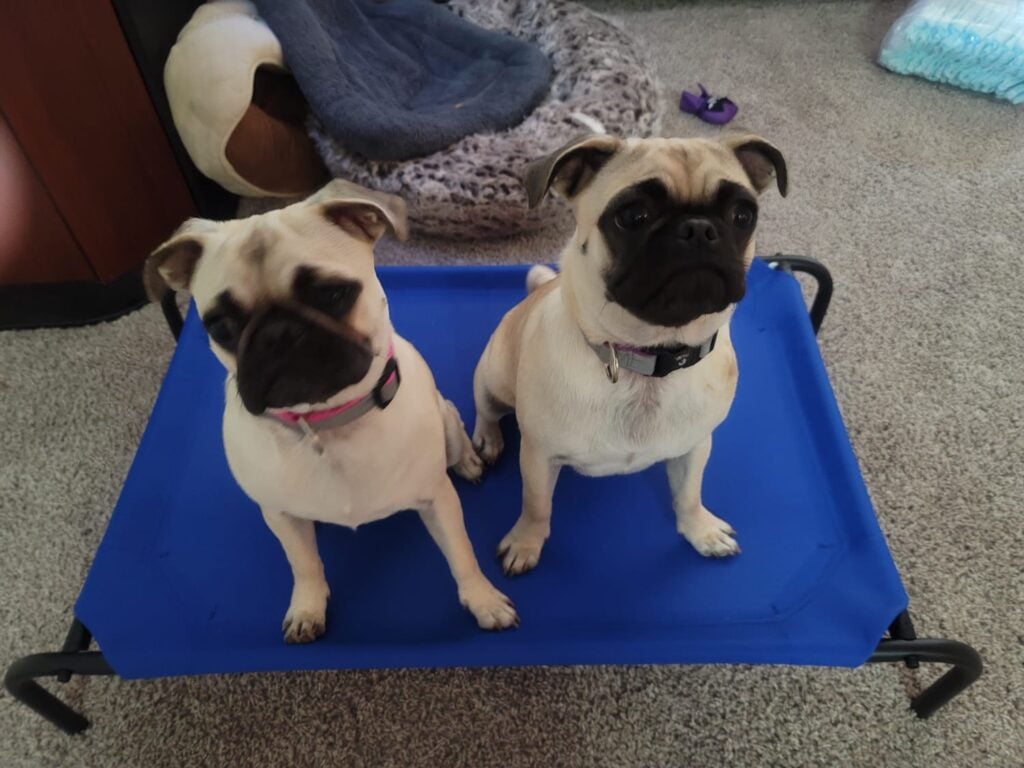
Can You Train an 8-Week-Old Puppy?
Yes. An 8-week-old puppy can learn its name, a crate routine, a potty schedule and simple cues like sit. Keep sessions to a few minutes, end before the puppy gets tired or frustrated, and use food and play as rewards. Most of what an 8-week-old learns comes from daily routine, not formal lessons.
Does a Puppy Need All Its Vaccines Before Training?
Not for training at home. Private lessons at home can begin as soon as the puppy arrives. Group classes are different because puppies share space: at JPK9, group classes need a first round of shots plus Bordetella before the puppy can join. Ask your vet when your puppy is ready to visit public places.
Is It Too Late to Train an Older Puppy or Adult Dog?
No. Dogs can learn at any age. Older puppies and adult dogs may need more repetition to replace habits they have already practiced, like pulling on the leash or jumping on guests, but they can still make real progress. The sooner you start, the less there is to undo.
Common Puppy Training Mistakes
- Waiting for the puppy to “grow out of” biting, jumping or pulling
- Long sessions that leave the puppy tired and frustrated
- Skipping socialization until the puppy is older
- Pushing a nervous puppy into situations that scare it
- Different rules from different people in the house
- Punishing accidents instead of fixing the potty schedule
When to Get Help From a Trainer
A trainer is worth calling early if your puppy bites hard and often, guards food or toys, seems very fearful, or if you feel stuck on potty training after several weeks. Early guidance is also helpful for first-time owners and families with young children. Starting right is easier than fixing habits later.
Puppy Training Options at JPK9 Academy
| Option | Age | What it includes | Starting price |
|---|---|---|---|
| Private puppy lessons | From 8 weeks | 4 lessons at your home: sit, down, stay, come, potty guidance, leash basics, biting and chewing control, owner coaching | $1,300 |
| Puppy Kindergarten | 8 weeks to 6 months | 4 private sessions plus 5 group lessons at the Elk Grove facility | Call for details |
| Puppy Board and Train | Usually 4 months and older | 3 to 4 weeks with Juan, daily training, pickup and drop-off at your home | $3,200 |
See the puppy training page for full details, or JPK9’s breakdown of how much puppy training costs.
Frequently Asked Questions
Is 6 months too late to start training a puppy?
No, but starting earlier is easier. By 6 months a puppy has usually practiced habits like jumping and pulling for months, so training takes more repetition. The old advice to wait until 6 months is outdated.
Should I wait until my puppy has all its vaccines before training?
Not for training at home. Name, sit, crate time, potty routine and handling can all start the day your puppy comes home. Group classes and public places are different, so follow your vet’s advice on timing. At JPK9, group classes need a first round of shots plus Bordetella.
What is the best age to train a dog?
The easiest time is early, between about 8 and 16 weeks, when puppies are most open to new people, places and routines. But dogs can learn at any age. An adult dog just needs more repetition to replace habits it has already practiced.
What is the hardest age for a puppy?
Many owners find adolescence the hardest stage, roughly from 6 months to around 18 months. Puppies at this age test limits, seem to forget cues they knew, and have more energy. Staying consistent through this stage matters more than anything else.
At what age do puppies calm down?
Most dogs settle noticeably somewhere between 1 and 2 years old, though it varies a lot by breed and individual. Daily exercise, mental work and a steady routine help a young dog calm down sooner than waiting it out.
What commands should I teach my puppy first?
Start with the puppy’s name, then sit, down and coming when called inside the house. Add crate and potty routines from day one. Leash walking, stay and place come next, once the basics are solid at home.
How long should puppy training sessions be?
For young puppies, a few minutes at a time, several times a day. End while the puppy is still interested. Short, frequent sessions work better than one long one.
What should you not do with a new puppy?
Avoid long training sessions, punishing accidents, rough play that encourages biting, leaving the puppy loose and unsupervised in the house, and overwhelming it with too much too fast. Different rules from different family members also slow training down.
How do you tell a puppy no?
Instead of repeating “no,” interrupt the behavior calmly and show the puppy what to do instead, then reward that. For example, if the puppy bites your hand, offer a toy and praise when it chews the toy. Puppies learn faster from being shown the right choice.
Why does my puppy go crazy in the evening?
Many puppies get a burst of wild energy and extra biting in the evening, often called the puppy witching hour. It usually means the puppy is overtired or overstimulated. A short calm walk, a chew and then quiet crate time often helps more than more play.
Should I train my puppy myself or hire a trainer?
Many owners teach the basics themselves. A trainer helps when you feel stuck, the puppy bites hard, guards food or toys, seems very fearful, or you simply want a clear plan from the start. Private lessons at home also coach you, not just the puppy.
When should a puppy be potty trained?
It varies by puppy and breed. JPK9’s guide on what age a dog should be potty trained covers realistic timelines.
What should I do the first few days with a new puppy?
Set up a routine for sleep, meals and potty breaks, introduce the crate, and keep the first days calm. The 3-3-3 rule for dogs explains what to expect in the first days, weeks and months.
Talk to Juan About Your Puppy
Just brought a puppy home, or about to? Call Juan at (916) 571-0157 for a free phone consultation. He will tell you what to focus on at your puppy’s age and which option fits your schedule.